Mushroom Identification Gallery
Browse a curated gallery of mushrooms with AI-generated mushroom ID insights. Each entry in this mushroom identifier collection is designed to help you visually compare species traits with your own finds.
Showing 8 of 74 mushroom species
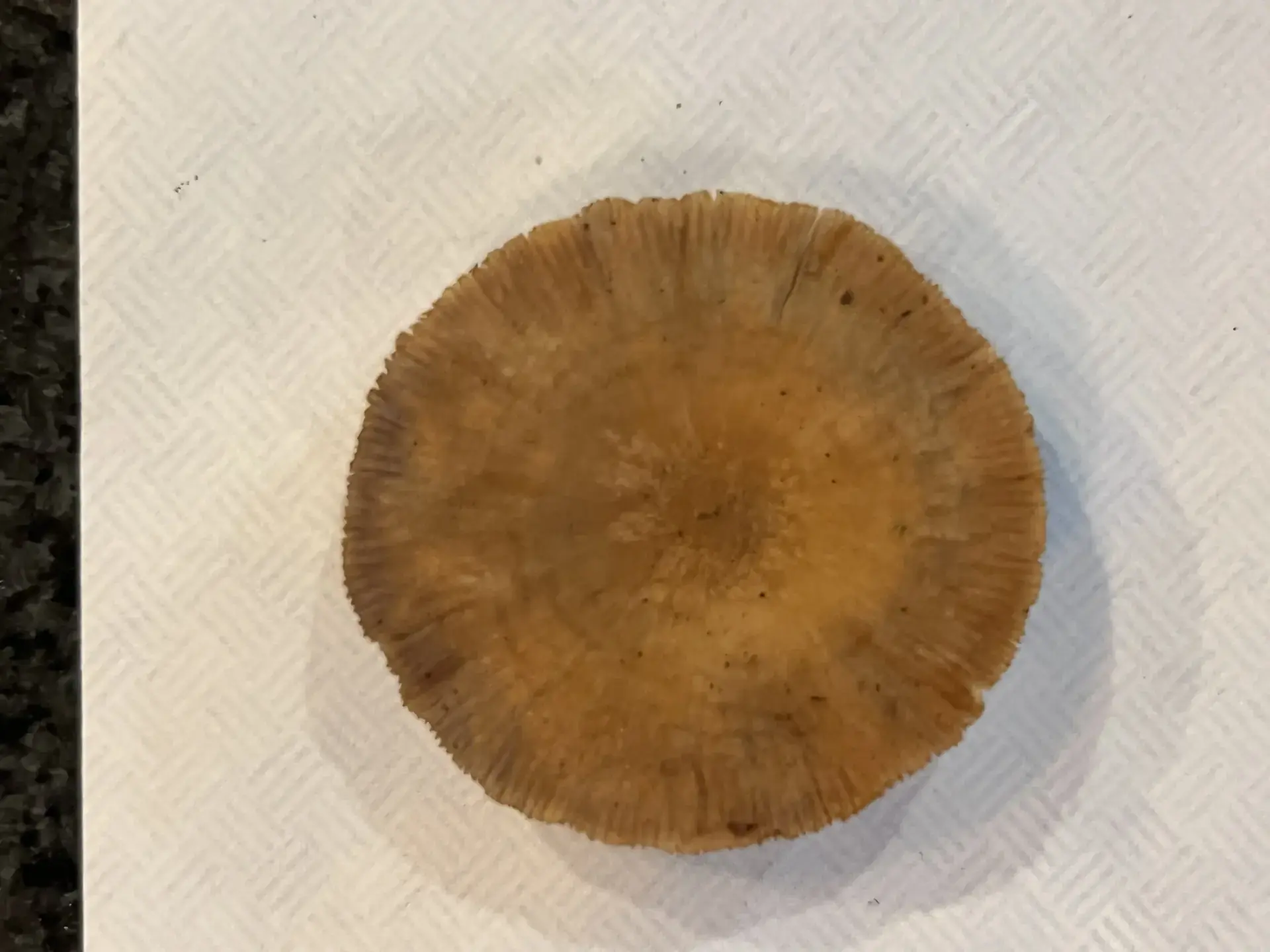
Funnel Clitocybe
Infundibulicybe gibba
Tawny/orange-brown cap color • Deeply radially striate cap margin when moist • Gills distant and strongly decurrent • Slender • pale stem • often fibrous at base • Hygrophanous cap surface
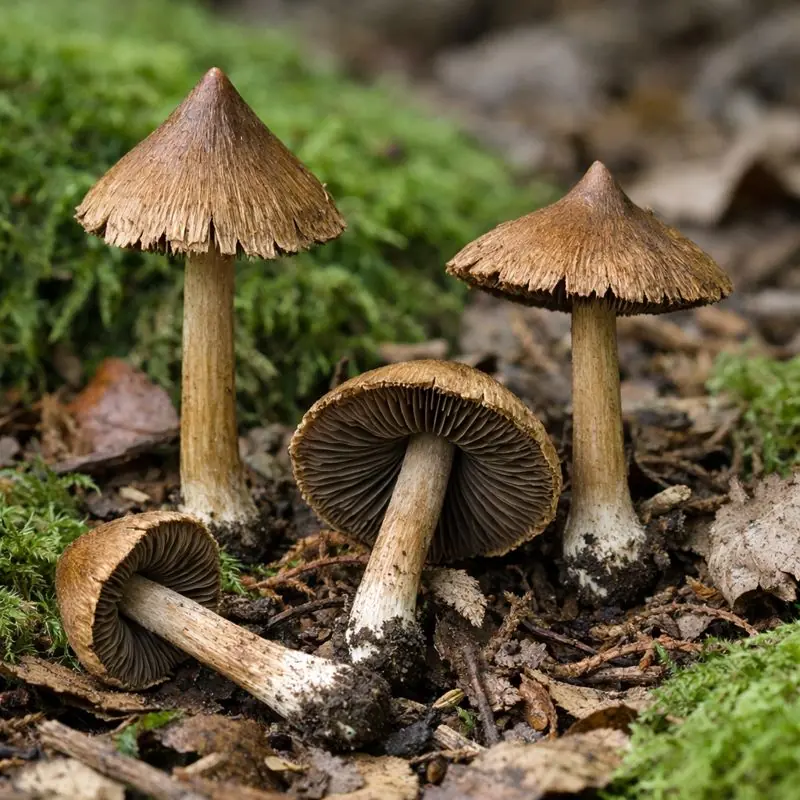
Kegelhütiger Risspilz
Inocybe rimosa
Hut spitzkegelig bis glockig • mit deutlichem Buckel • Hutoberfläche radial aufreißend (fibrillös) und trocken • Lamellen dicht stehend • adnexiert • braun bis olivbraun • Stiel faserig • ohne Ring • Basis oft weißlich beflockt • Wächst auf Erde und Streu in Wäldern
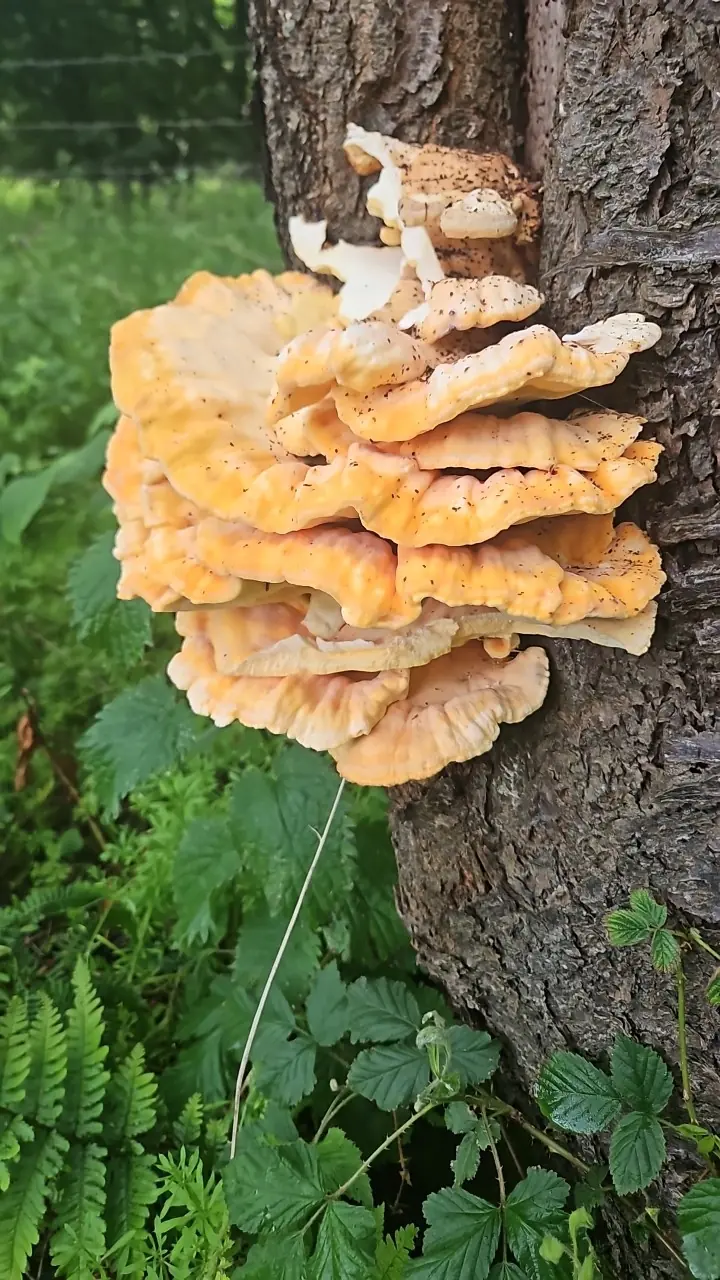
Chicken of the Woods
Laetiporus sulphureus
Overlapping fan-shaped brackets • Bright orange upper surface • Sulfur-yellow pore surface (no gills) • Pliable • fleshy texture when young • Grows directly from wood
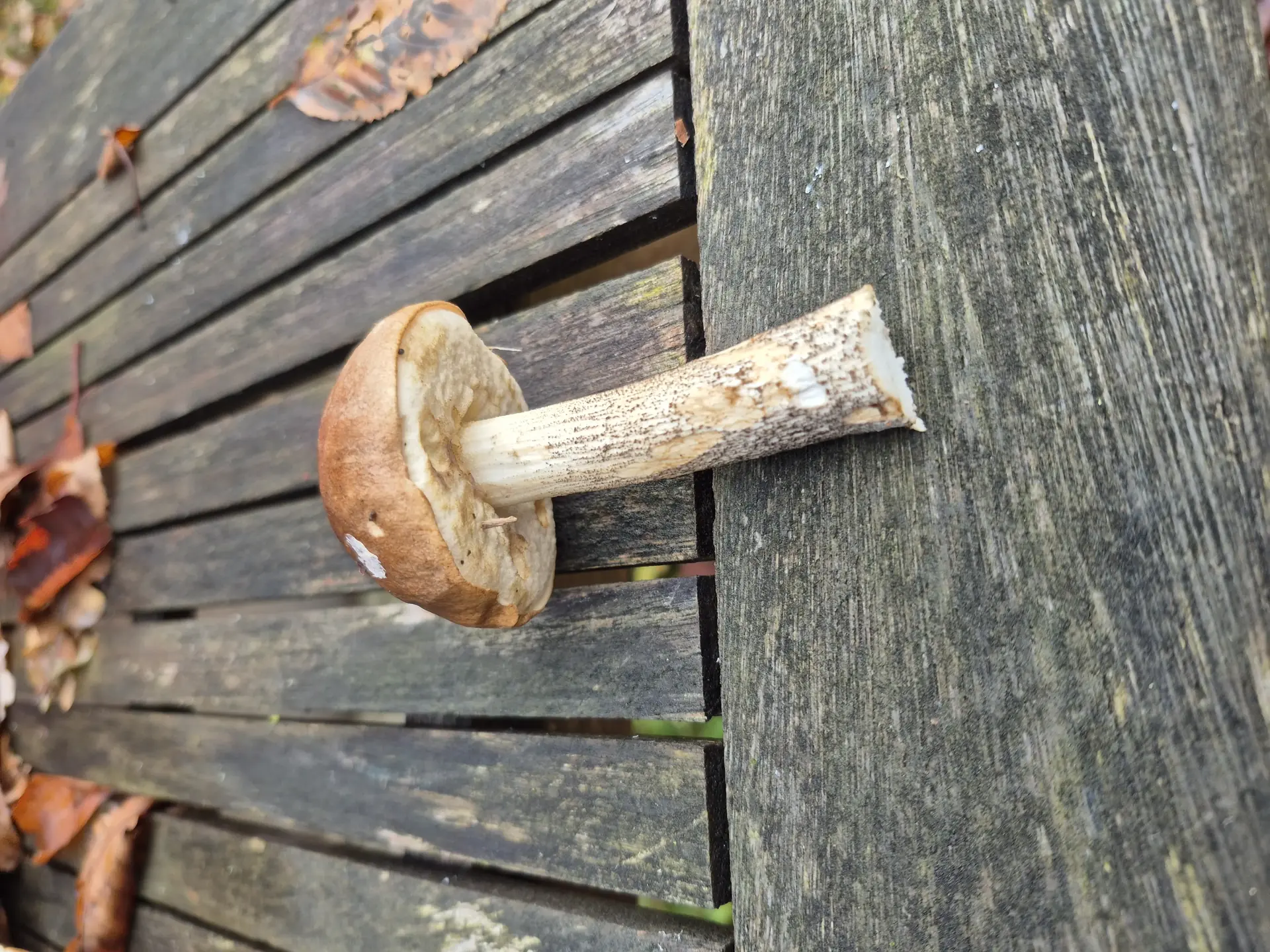
Brown Birch Bolete
Leccinum scabrum
Cap tawny to reddish-brown • smooth • Pore surface whitish or cream • non-staining (apparent) • Stem slender • covered densely with dark brown/black scabers • Context flesh white • non-staining (apparent)
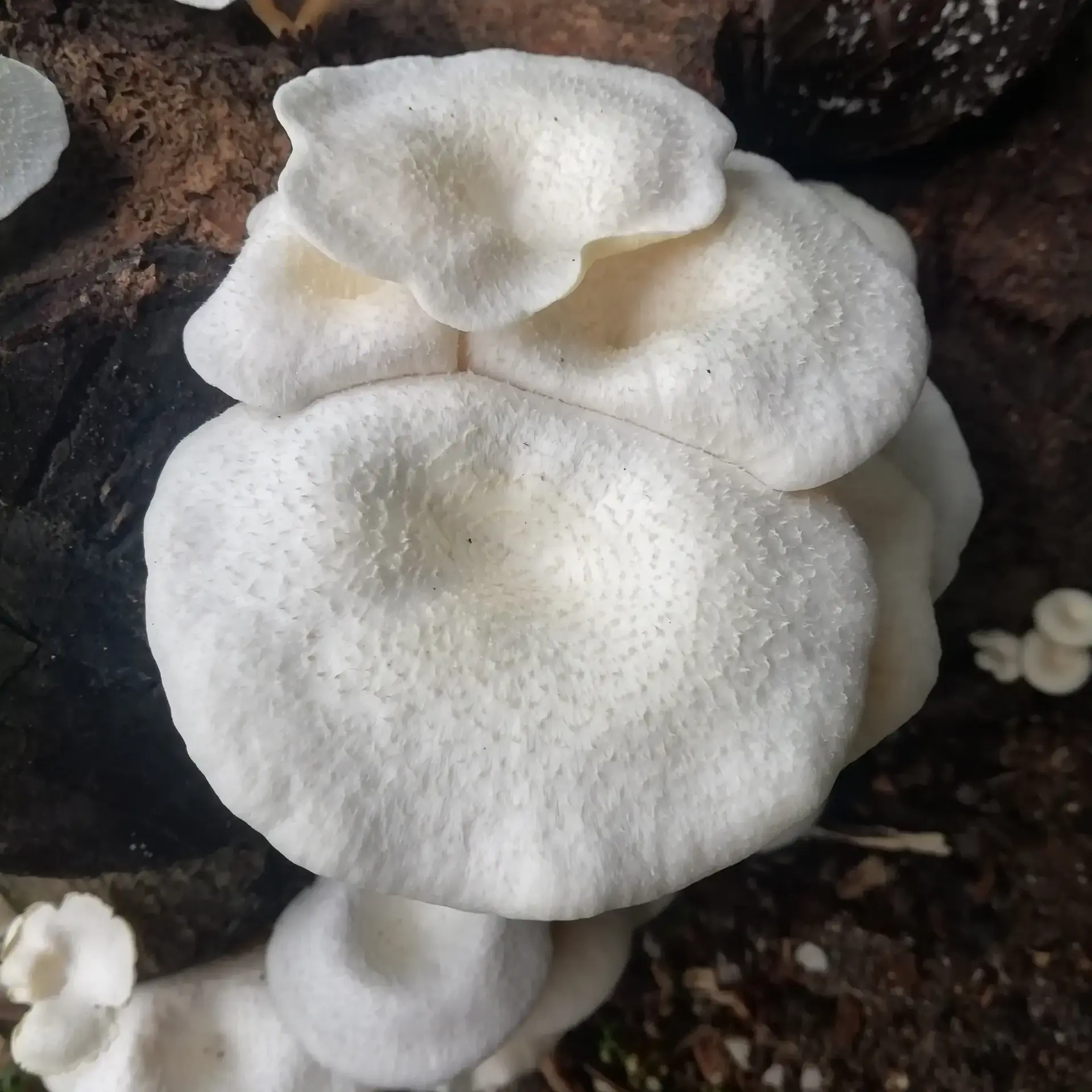
Scaly Lentinus
Lentinus squarrosulus
White to cream-colored cap with a depressed center • Distinctly scaly (squamulose) texture on cap and stem • Gills run down the stem (decurrent) • Grows in clusters on dead wood • Tough • fibrous flesh
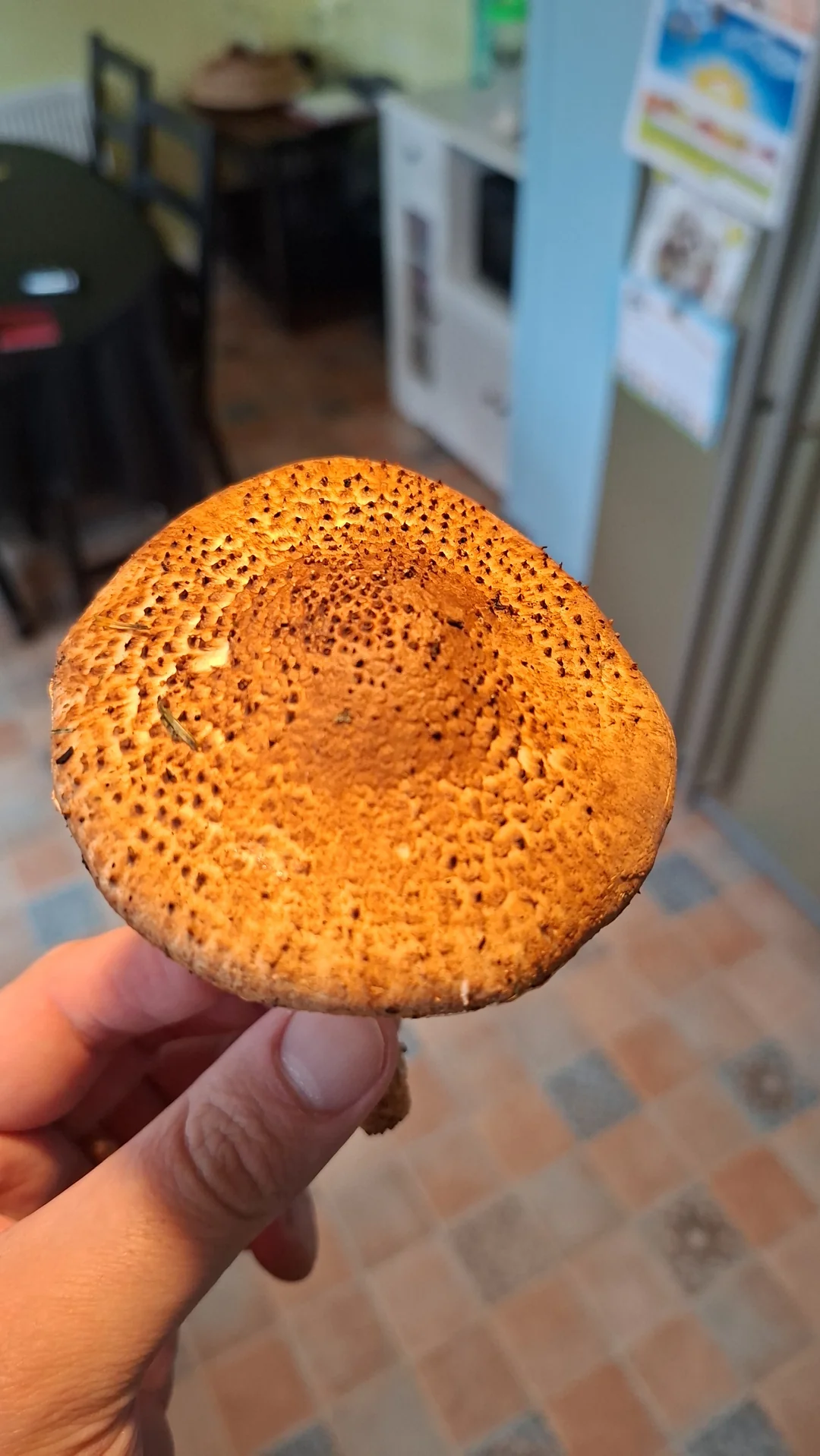
Rough Lepiota
Lepiota aspera
Cap covered in dense • dark brown • granular scales (squamules) • Tawny orange-brown cap color • darker center • Gills free and white/cream colored • Stipe features a ragged • often movable ring remnant • Stipe surface pale • scaly or fibrous below the ring
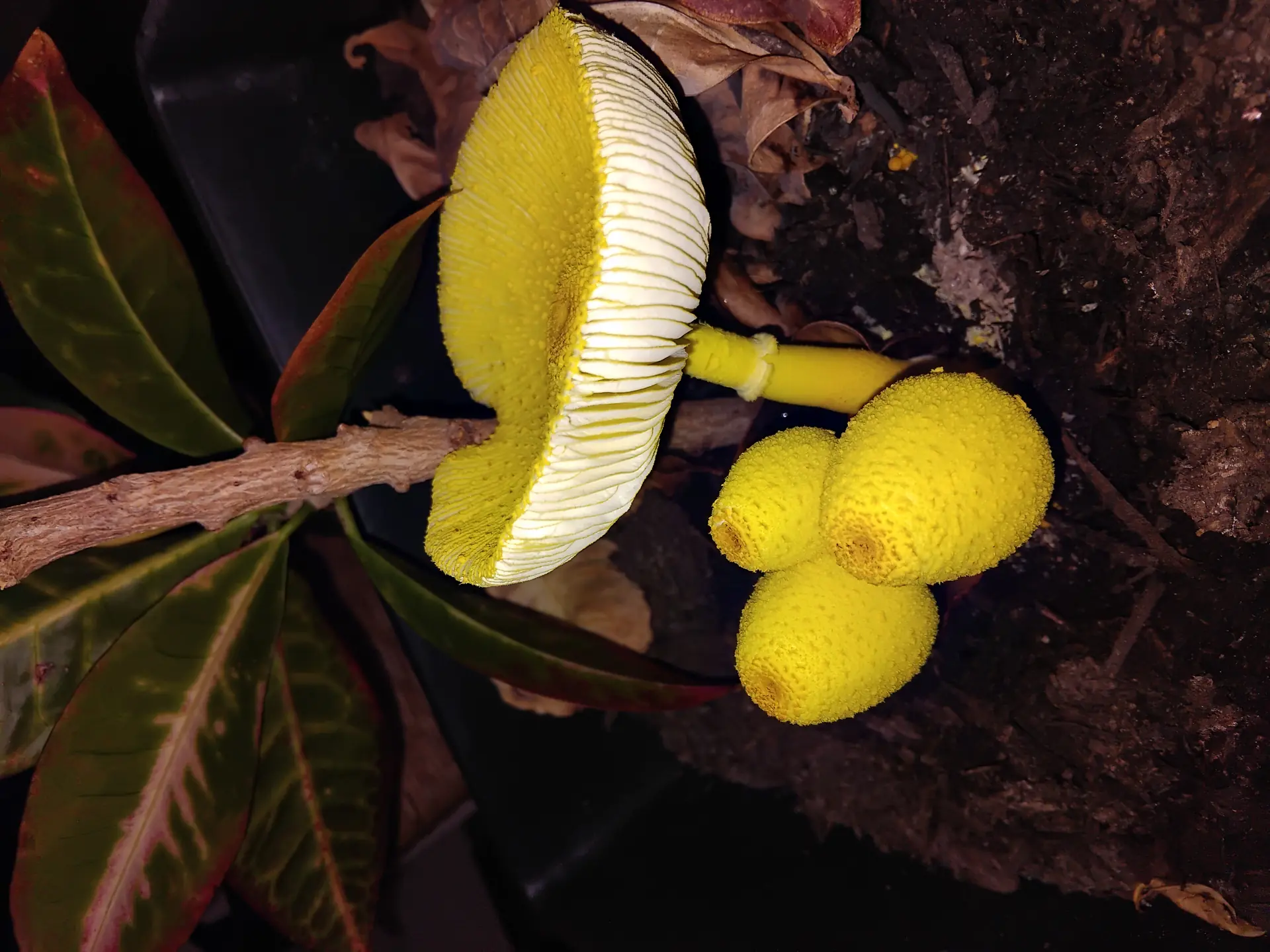
Flowerpot Parasol
Leucocoprinus birnbaumii
Vibrant sulfur-yellow coloration • Mealy or powdery texture on cap surface • Slender stem with a fragile ring (annulus) • Pale yellow gills that are free from the stem • Oval to bell-shaped cap profile
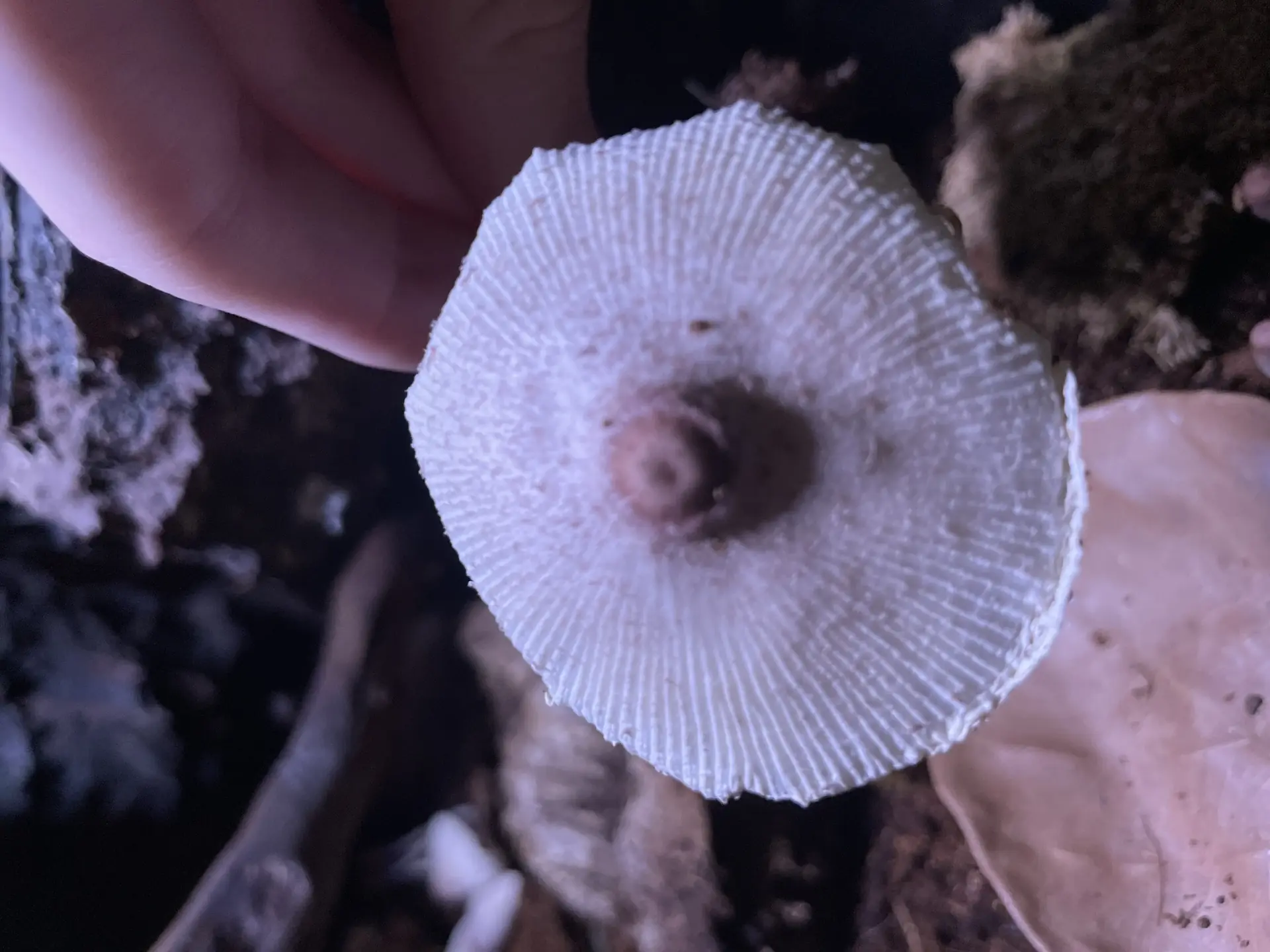
Onion-stalk Parasol
Leucocoprinus cepistipes
Cap pale cream to white with deep radial striations • Distinct • darker central umbo (nipple) • Gills white • crowded • and free from the stem • Stem long • slender • white • lacking a visible ring • Grows on rich organic substrate/soil