Mushroom Identifier
Free Mushroom Identifier App — Identify Mushrooms and Fungi from Photos and Get Instant Toxicity Warnings.
Safety warning
AI identification results are for informational and educational purposes only and may be inaccurate. Never rely on them to determine whether a wild mushroom is safe to eat, cook, touch, or handle.
Tap to see mushroom parts
Upload mushroom photos
Clear, well-lit photos help identify it more accurately.
0/4 photos · JPG, PNG, WebP · Max. 10 MB each
For best results, capture these angles
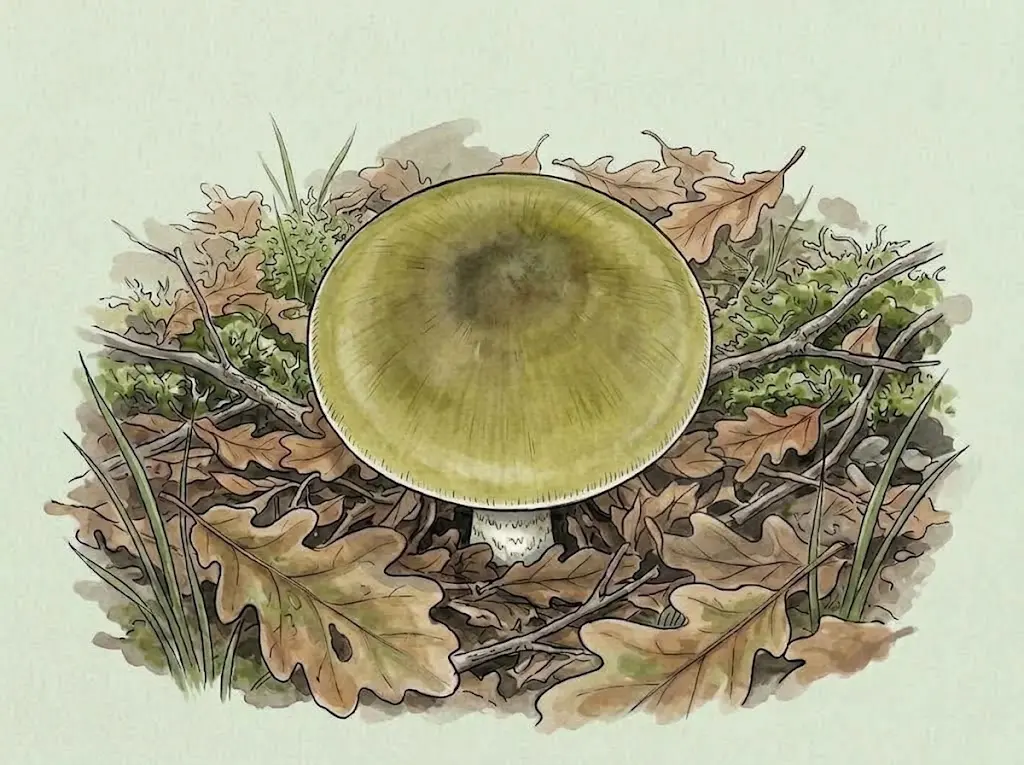
Cap
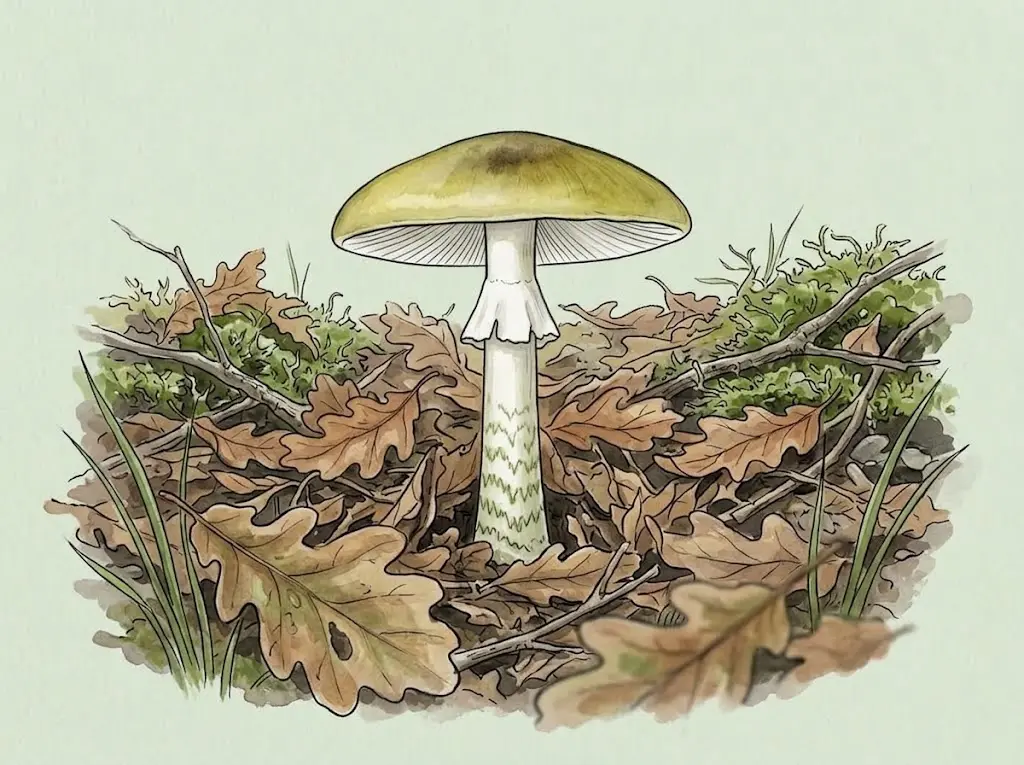
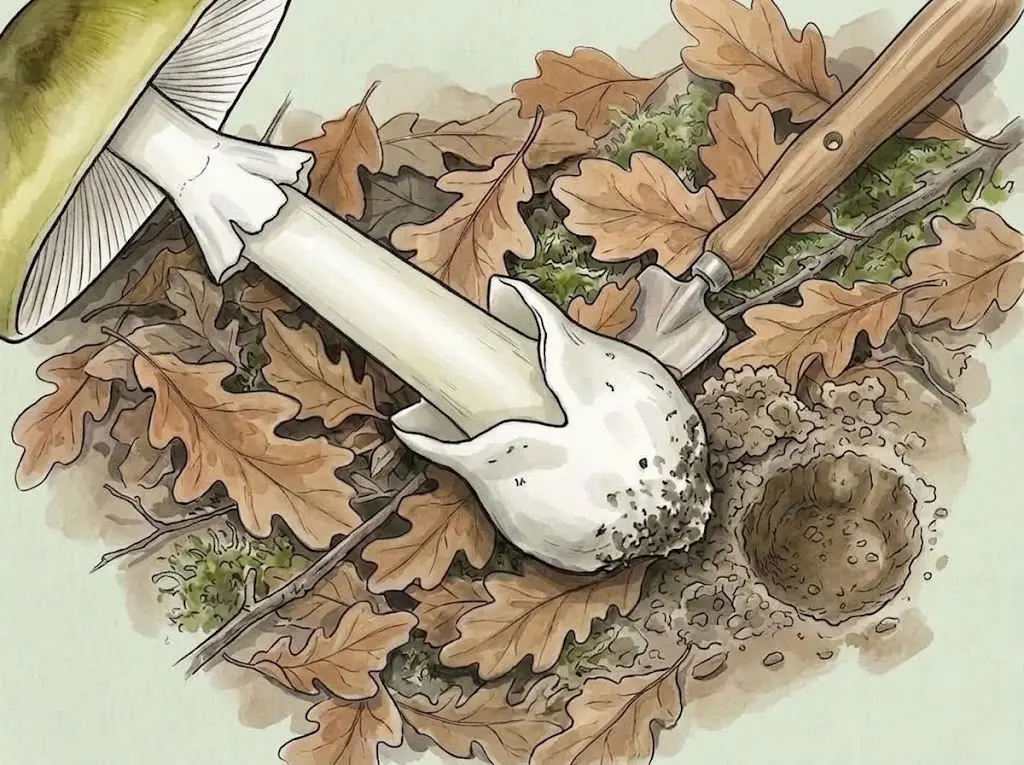
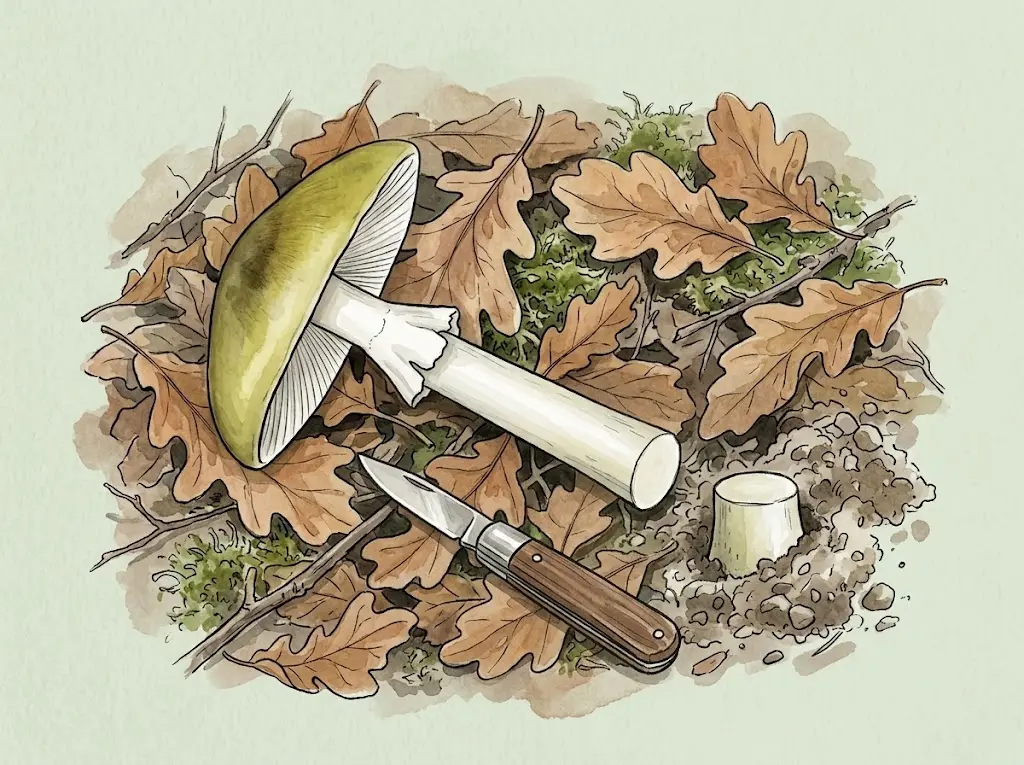
Stipe
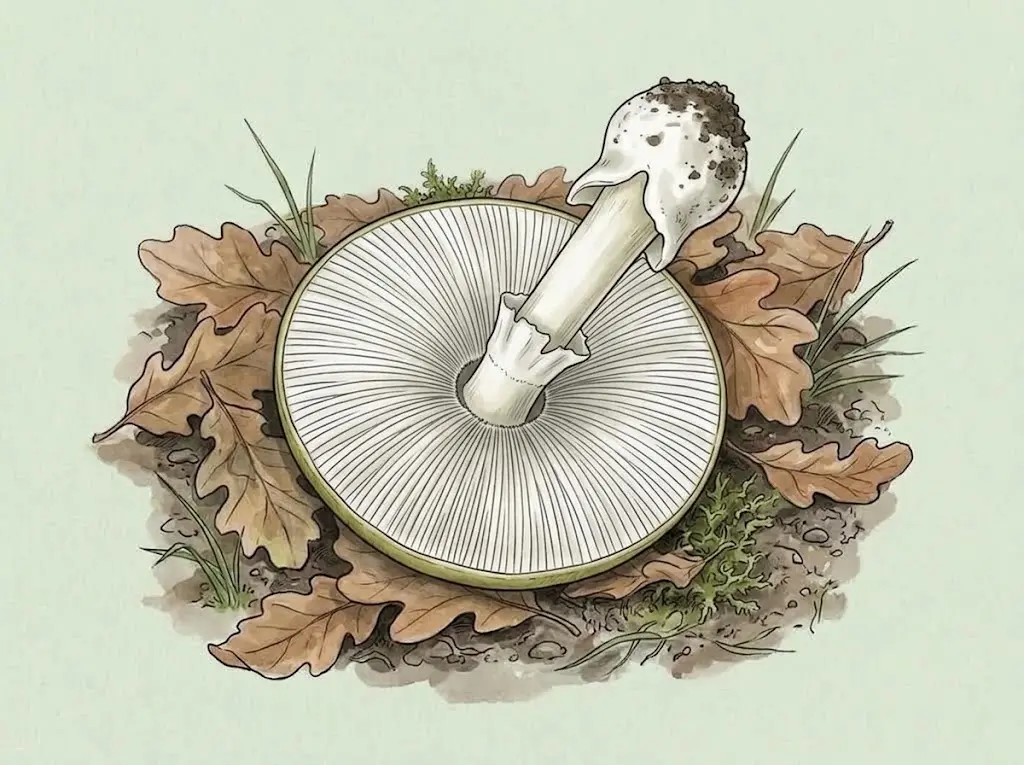
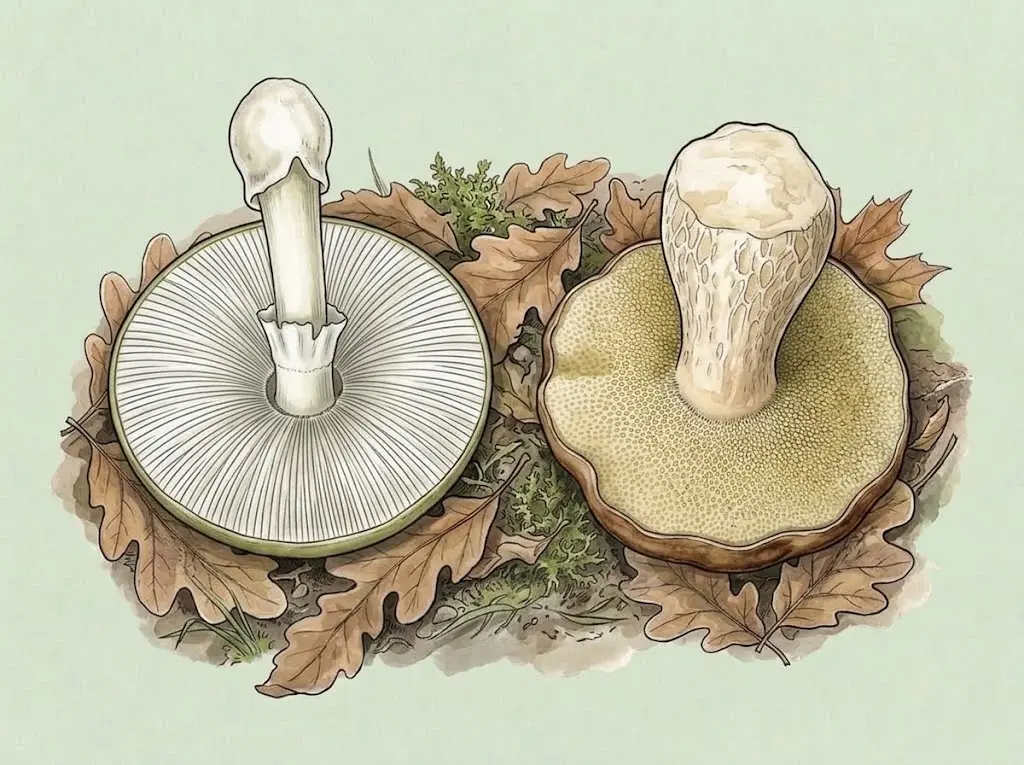
Gills
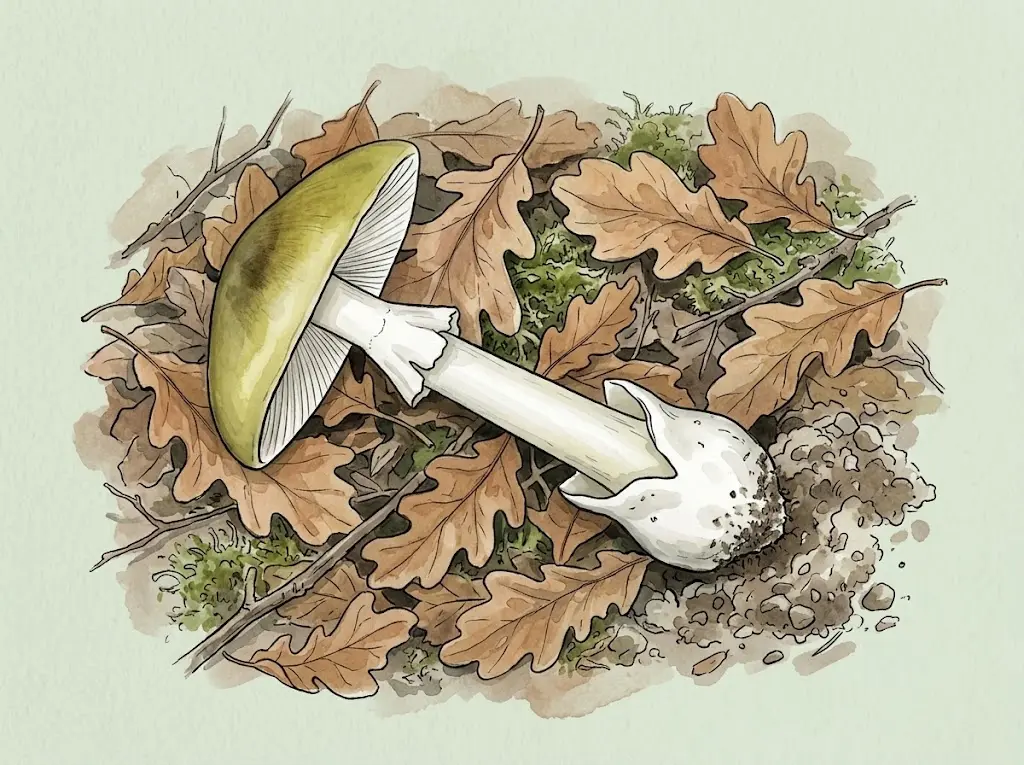
VolvaHow Our Mushroom Identifier Works
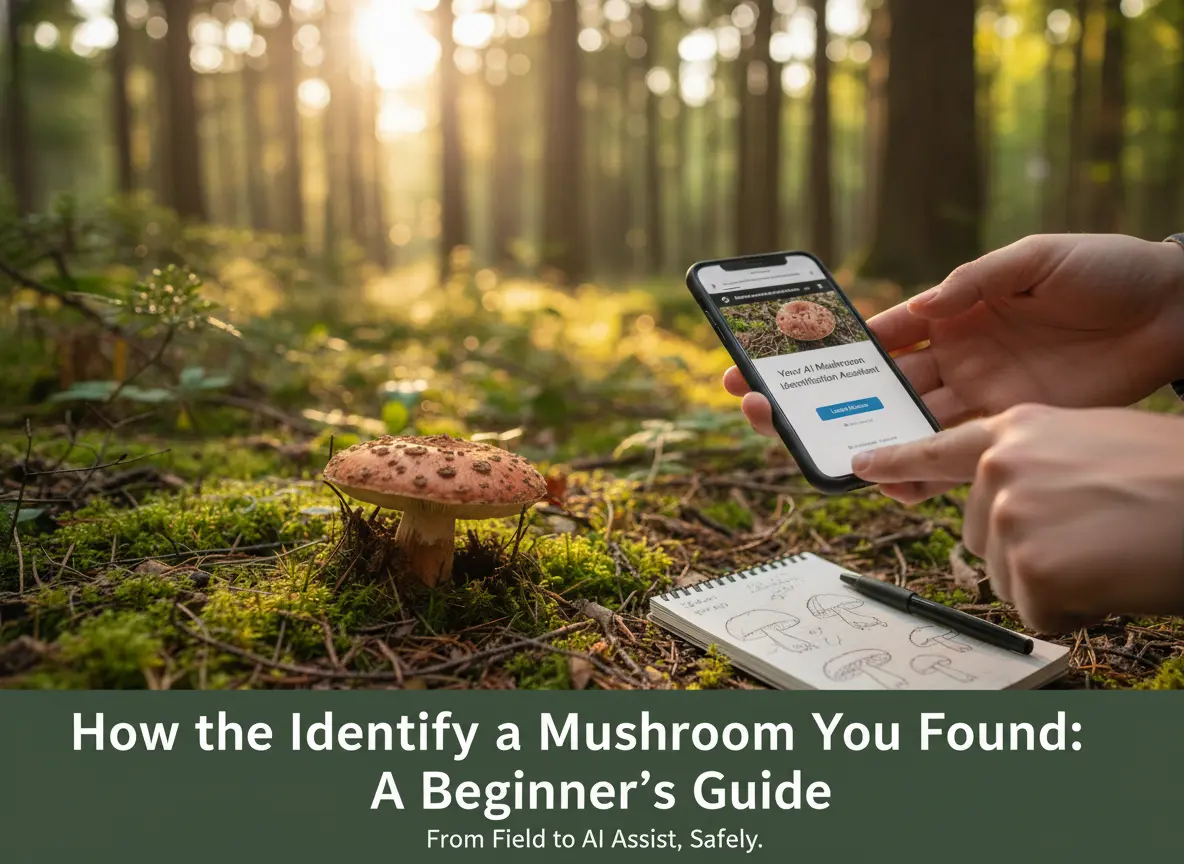
Our advanced mushroom identification system uses AI to analyze your photos and provide comprehensive safety information in seconds.
1. Upload Photos
Take photos from multiple angles: top, side, gills/pores, and stem base for accurate mushroom identification
2. AI Analysis
Our mushroom identifier analyzes your images using AI’s world knowledge, multimodal image understanding, and expert species databases.
3. Get Results
Receive detailed mushroom identification with species name, characteristics, and habitat information
4. Safety Alerts
Critical toxicity warnings, similar species alerts, and emergency contact information for safe foraging
Ready to identify your first mushroom? Try it now →
Advanced Mushroom Identification Features
Our comprehensive mushroom identifier provides everything you need for safe and accurate species identification.
Toxicity Warnings
Instant alerts for poisonous mushrooms with detailed toxicity information and symptoms
- Poison severity levels
- Symptom descriptions
- Emergency protocols
Similar Species Alerts
Critical warnings about look-alike mushrooms that could be dangerous
- Visual comparisons
- Key differences
- Risk assessments
Multi-Angle Analysis
Comprehensive mushroom identification using multiple photo perspectives
- Cap surface analysis
- Gill/pore examination
- Stem base inspection
Global Species Database
Extensive mushroom identification coverage across multiple regions
- Regional variations
- Seasonal patterns
- Habitat information
Emergency Contacts
Local poison control and emergency contact information
- Emergency numbers
- Regional poison centers
- First aid guidance
Detailed Profiles
Complete mushroom identification profiles with scientific data
- Scientific names
- Morphological features
- Economic value
Why Our Mushroom Identifier Is Safer
Safety is our top priority. Our mushroom identification system includes multiple layers of protection to keep foragers safe.
Multi-Level Toxicity Warnings
Our mushroom identifier provides detailed toxicity information, including severity levels, symptoms, and first aid information for every potentially dangerous species.
Look-Alike Species Database
Comprehensive database of similar-looking mushrooms with clear visual comparisons and key identifying features to prevent dangerous misidentification.
Emergency Response Integration
Instant access to local poison control centers and emergency protocols based on your geographic location for immediate assistance.
Never consume any wild mushroom without expert verification - even edible species can have deadly look-alikes.
Common Dangerous Look-Alikes
Species that can fool even experts
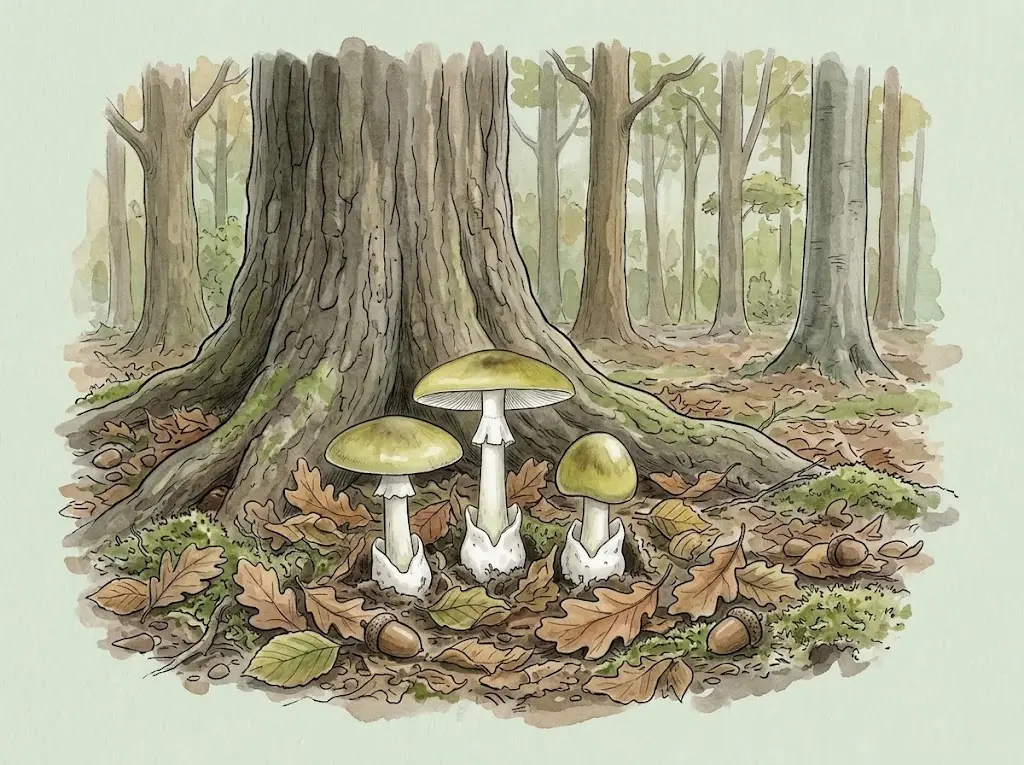
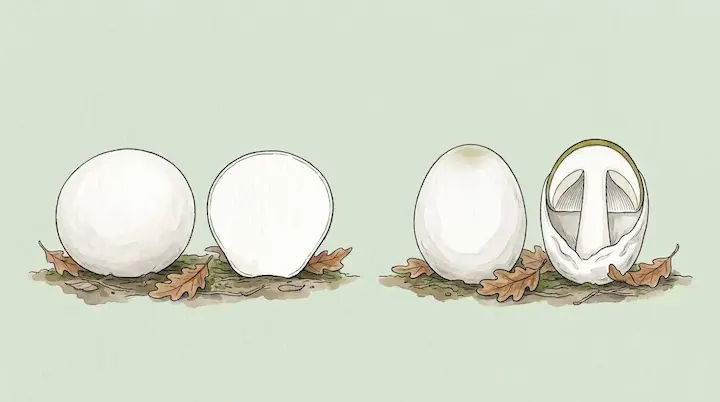
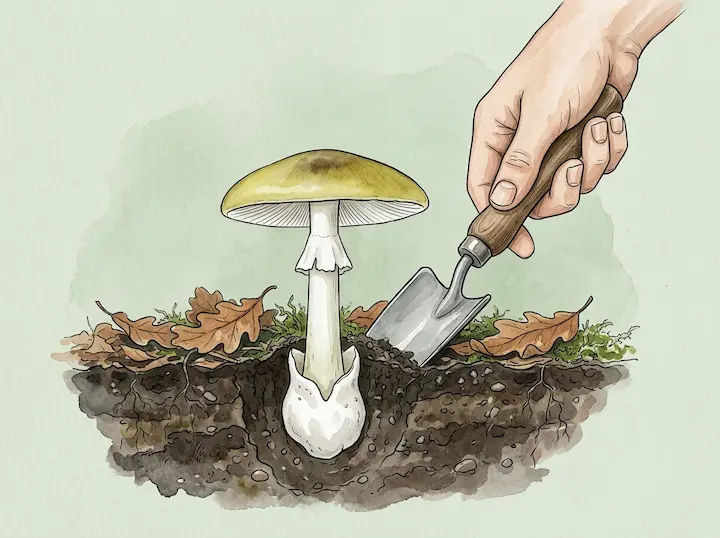
Death Cap vs. Puffball
Young death caps can resemble edible puffballs. Our mushroom identifier highlights the critical differences in gill structure and stem characteristics.
False Chanterelle vs. Chanterelle
These species are easily confused. Our system identifies the key differences in gill structure and coloration patterns.
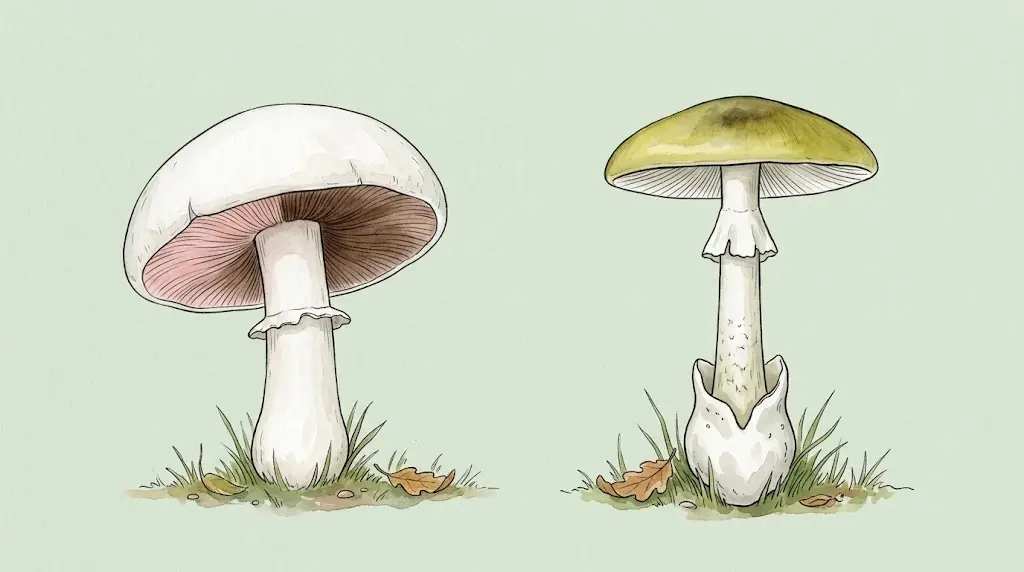
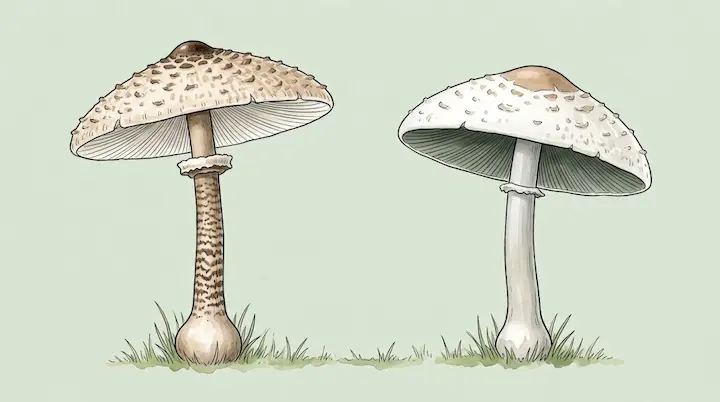
Destroying Angel vs. Button Mushroom
Young destroying angels can look similar to common edible mushrooms. Our AI detects subtle but critical identifying features.
Common Similar Species Our Mushroom Identifier Distinguishes
Learn about frequently confused mushroom pairs and how our AI identifies critical differences for safe foraging.
Death Cap vs. Puffball
Young death caps (Amanita phalloides) can dangerously resemble edible puffballs

Death Cap (DEADLY)
- •Visible gills underneath
- •Distinct stem and cap
- •Bulbous stem base

Puffball (SAFE)
- •No gills or stem
- •Solid white interior
- •Round, ball-like shape
Our mushroom identifier detects gill structure and stem characteristics to prevent this deadly confusion.
False Chanterelle vs. Chanterelle
False chanterelles (Hygrophoropsis aurantiaca) mimic true chanterelles

False Chanterelle
- •True gills (thin, sharp)
- •Darker orange color
- •Hollow stem

True Chanterelle (SAFE)
- •Forked ridges (not gills)
- •Golden yellow color
- •Solid stem
Our AI analyzes gill structure and color patterns to distinguish these similar-looking species.
Destroying Angel vs. Button Mushroom
Young destroying angels can resemble common store-bought mushrooms

Destroying Angel (DEADLY)
- •Pure white throughout
- •Bulbous stem base
- •Ring around stem

Button Mushroom (SAFE)
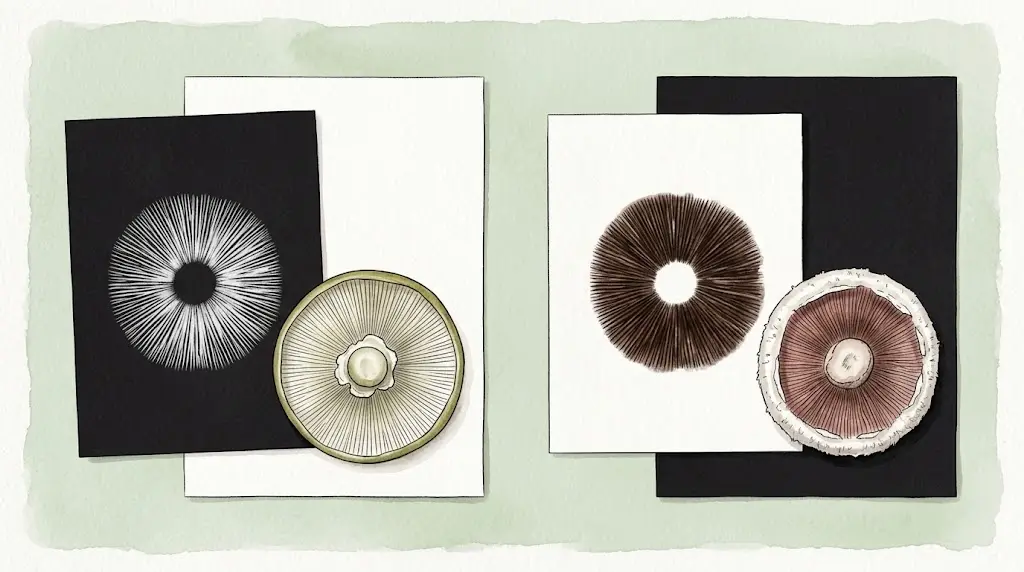
- •Pink to brown gills
- •No bulbous base
- •Cultivated appearance
Our mushroom identifier checks gill color, stem structure, and growing environment for safety.
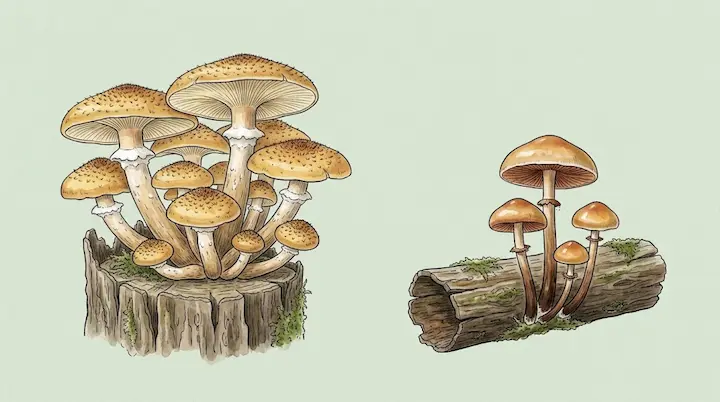
Jack O'Lantern vs. Oyster Mushroom
Toxic jack o'lanterns can be confused with edible oyster mushrooms

Jack O'Lantern (TOXIC)
- •Bright orange color
- •True gills
- •Grows in clusters

Oyster Mushroom (SAFE)
- •White to tan color
- •Decurrent gills
- •Fan-shaped cap
Our AI identifies color variations, gill attachment, and growth patterns to prevent confusion.
Safety First with Mushroom Identification
Our mushroom identifier uses advanced AI to detect these subtle but critical differences. When in doubt, never consume wild mushrooms without expert verification.
Start Safe IdentificationWhy Choose Our Mushroom Identifier
Compare our advanced mushroom identification features with traditional methods and other tools.
| Feature | Mushroom Identifier | Traditional Guides | Other Apps |
|---|---|---|---|
| AI-Powered Identification | Manual | Basic | |
| Toxicity Warnings | Limited | ||
| Similar Species Alerts | Manual | Rare | |
| Multi-Angle Analysis | Manual | Single Photo | |
| Emergency Contacts | |||
| Real-time Results | Slow | Variable | |
| Global Species Coverage | Regional | Limited |
Frequently Asked Questions About Mushroom Identification
Find answers to common questions about our Mushroom Identifier, identifying mushrooms from photos, taking better photos, understanding identification results, and using the tool safely.
Upload clear photos of the mushroom, and our Mushroom Identifier will analyze its visible features and suggest the most likely species or several possible matches. Your result may also include similar species, important differences, and information about potential toxicity risks.
Yes. Photos can show many important features used in mushroom identification, including the shape and surface of the cap, gills or pores, stem, and stem base. For better results, upload several clear photos taken from different angles.
The Mushroom Identifier uses AI to analyze visible characteristics in your photos, such as cap shape, color, surface texture, gills or pores, stem structure, and other identifying features. It combines these details with available context to suggest the most likely species and possible look-alikes.
Accuracy depends on the species, photo quality, visible identifying features, and the number of useful angles provided. Some mushrooms have distinctive characteristics, while others closely resemble several different species.
Treat every AI mushroom identification as a possible match to verify rather than a definitive identification.
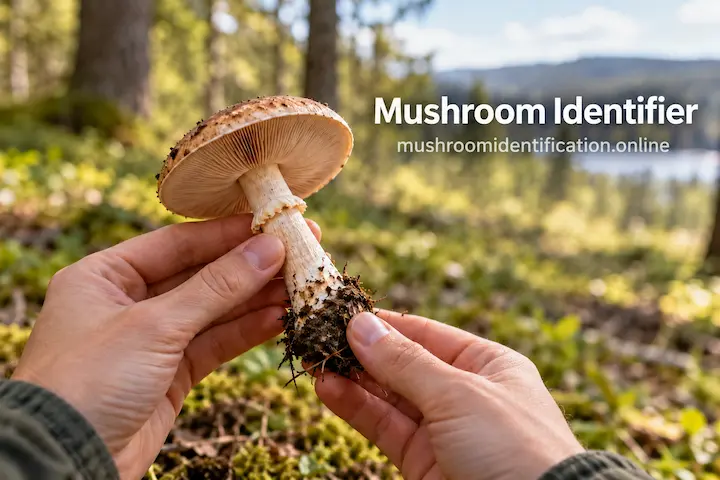
Take sharp photos in natural, even light. Show the cap from above, the entire mushroom from the side, the underside of the cap with its gills, pores, or teeth, and the full stem including the base.
It is also helpful to photograph the mushroom where it is growing so that habitat and surrounding features are visible.
Upload 3–4 different views when possible rather than several similar photos. The most useful photos usually include the top of the cap, a side view, the underside of the cap, and the base of the stem.
Different perspectives provide more identifying features and can help distinguish between similar-looking species.
The Mushroom Identifier can suggest the most likely species and warn about potentially poisonous species or dangerous look-alikes. However, AI cannot guarantee that an identification is correct or that a mushroom is safe.
Never rely on an AI identification result to decide whether a wild mushroom is safe to eat, taste, cook, touch, or handle.
No. Identifying a mushroom from photos does not mean that it is safe to eat. Some edible and poisonous species can look very similar, and important identifying features may not be visible in photos.
Before eating any wild mushroom, have it examined in person by a qualified local mushroom expert.
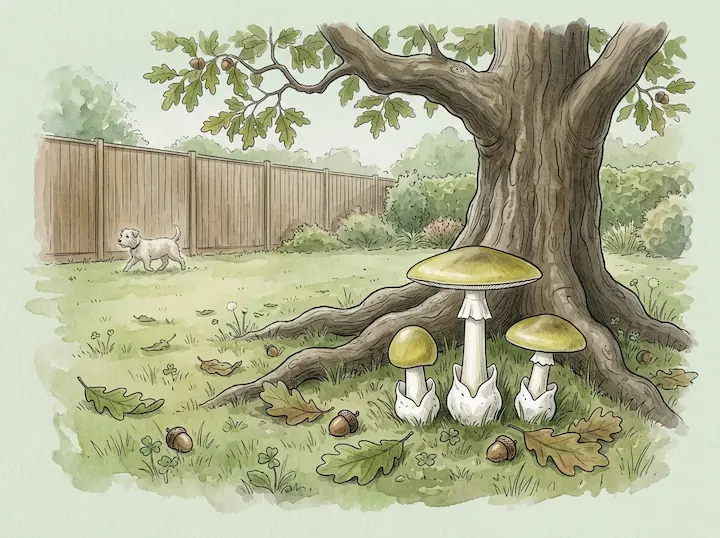
Location and habitat can help narrow down the possible species. Useful information includes the country or region, type of forest or habitat, nearby trees, and whether the mushroom is growing on soil, wood, moss, grass, or another substrate.
The time of year can also provide useful context for mushroom identification.
Yes. You can use the Mushroom Identifier for free within the daily usage limit. Upload mushroom photos and receive an identification result without installing an app or creating an account.
If you need more, you can upgrade to a paid plan for unlimited mushroom identifications and unlimited follow-up questions after identification, including the ability to add new photos.
Yes. The Mushroom Identifier works directly in your web browser on a phone, tablet, or computer. You can take a photo with your phone or upload existing photos and start identifying mushrooms without downloading an app.
Yes. After the initial identification, you can ask follow-up questions or upload additional photos showing features such as the gills, pores, stem, or base.
New photos or information can provide additional evidence that supports, weakens, or changes the original identification.
Start Identifying Mushrooms Safely Today
Join thousands of foragers who trust our AI-powered mushroom identifier for safe and accurate species identification.