Mushroom Identification Reference Gallery

Browse a curated gallery of mushrooms with AI-generated mushroom ID insights. Each entry in this mushroom identifier collection is designed to help you visually compare species traits with your own finds.

Showing 8 of 46 mushroom species

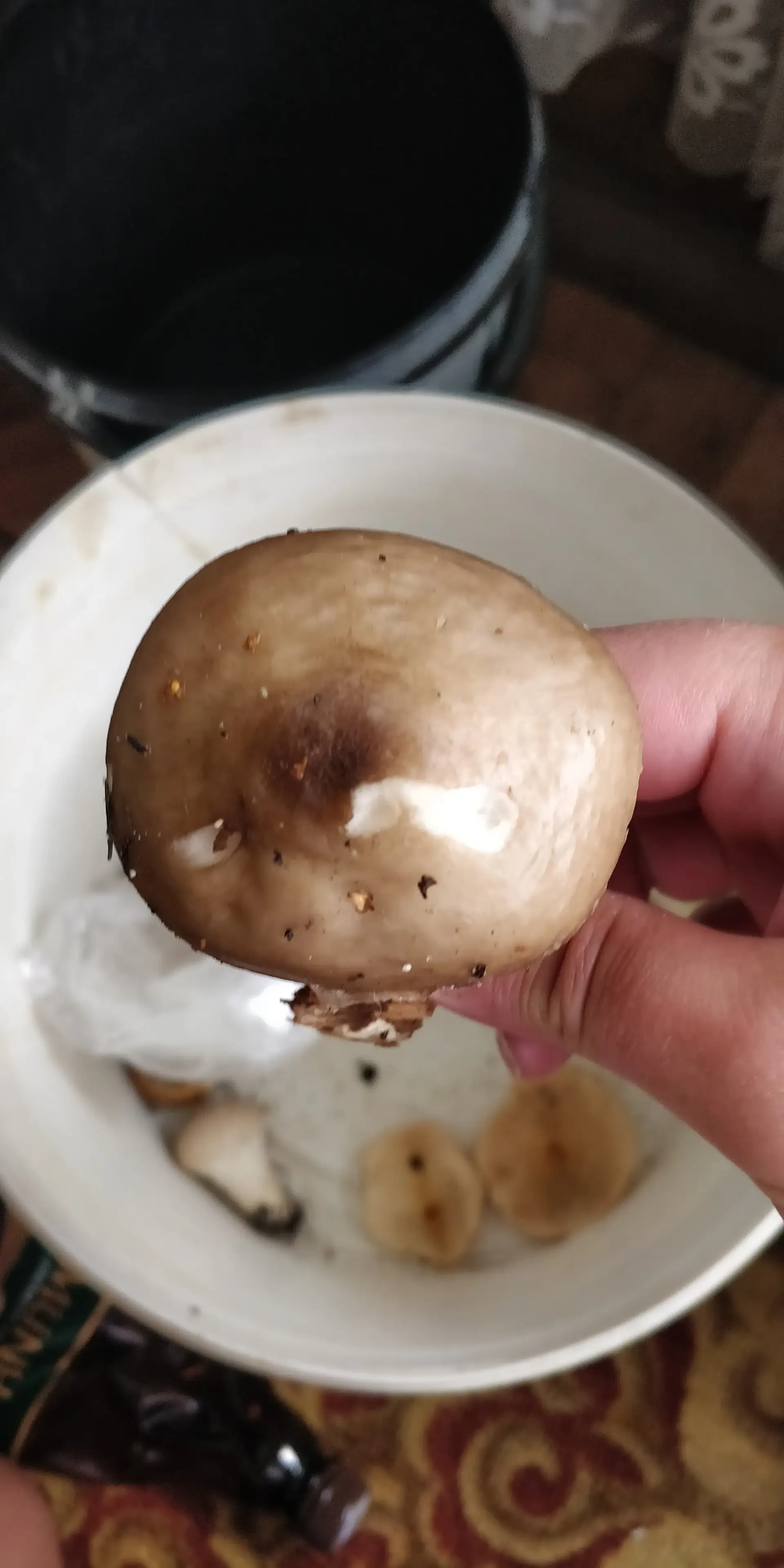
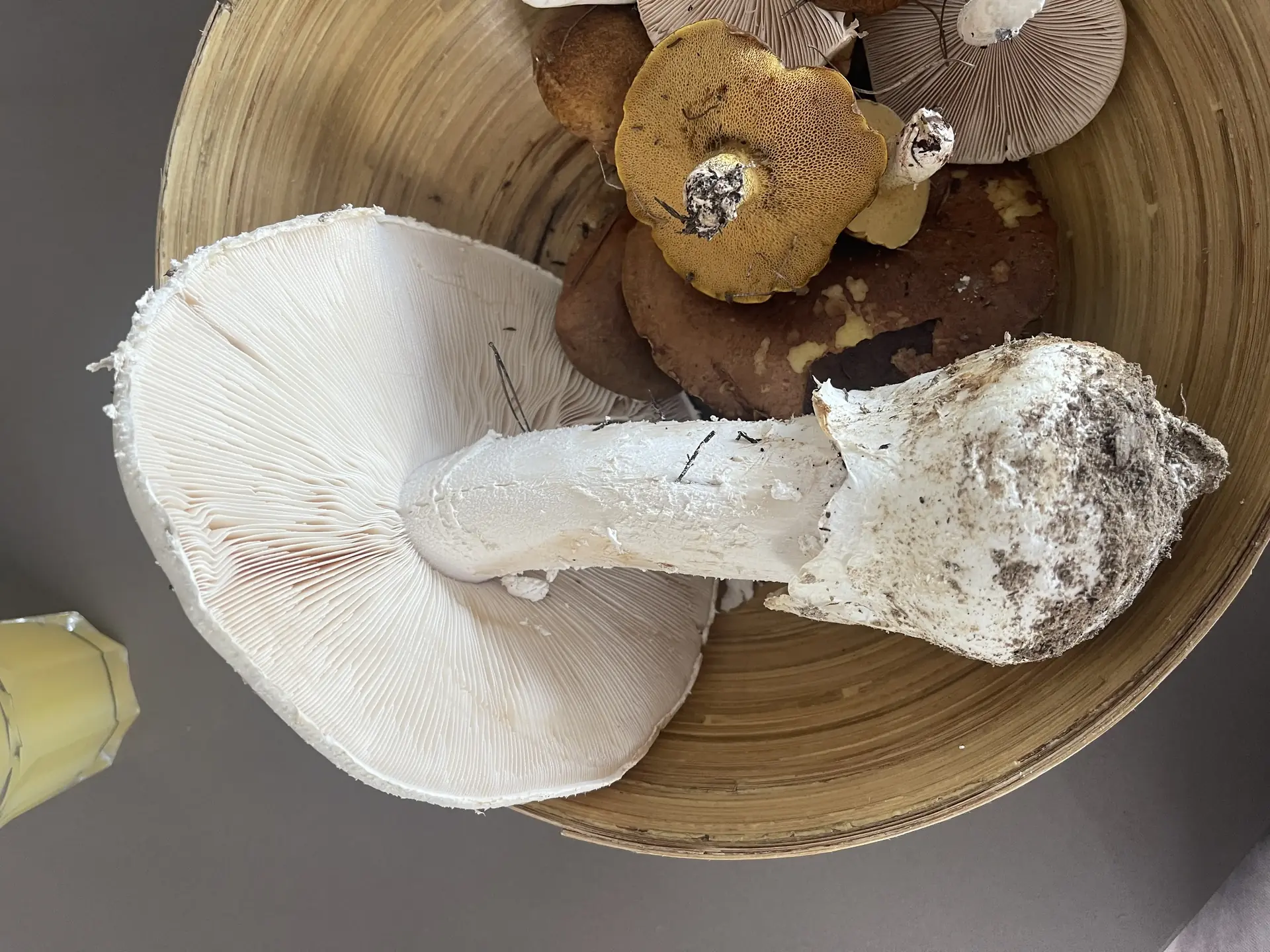
European Destroying Angel (Amanita verna) - Large, pure white cap, smooth surface, Gills are free, crowded, and pure white, Robust, white stem with a bulbous base, Base structure suggests remnants of a universal veil (volva), No visible ring (annulus) on the stem shaft, Flesh does not appear to stain or bruise color
Toxic

European Destroying Angel

Amanita verna

Large • pure white cap • smooth surface • Gills are free • crowded • and pure white • Robust • white stem with a bulbous base • Base structure suggests remnants of a universal veil (volva) • No visible ring (annulus) on the stem shaft • Flesh does not appear to stain or bruise color
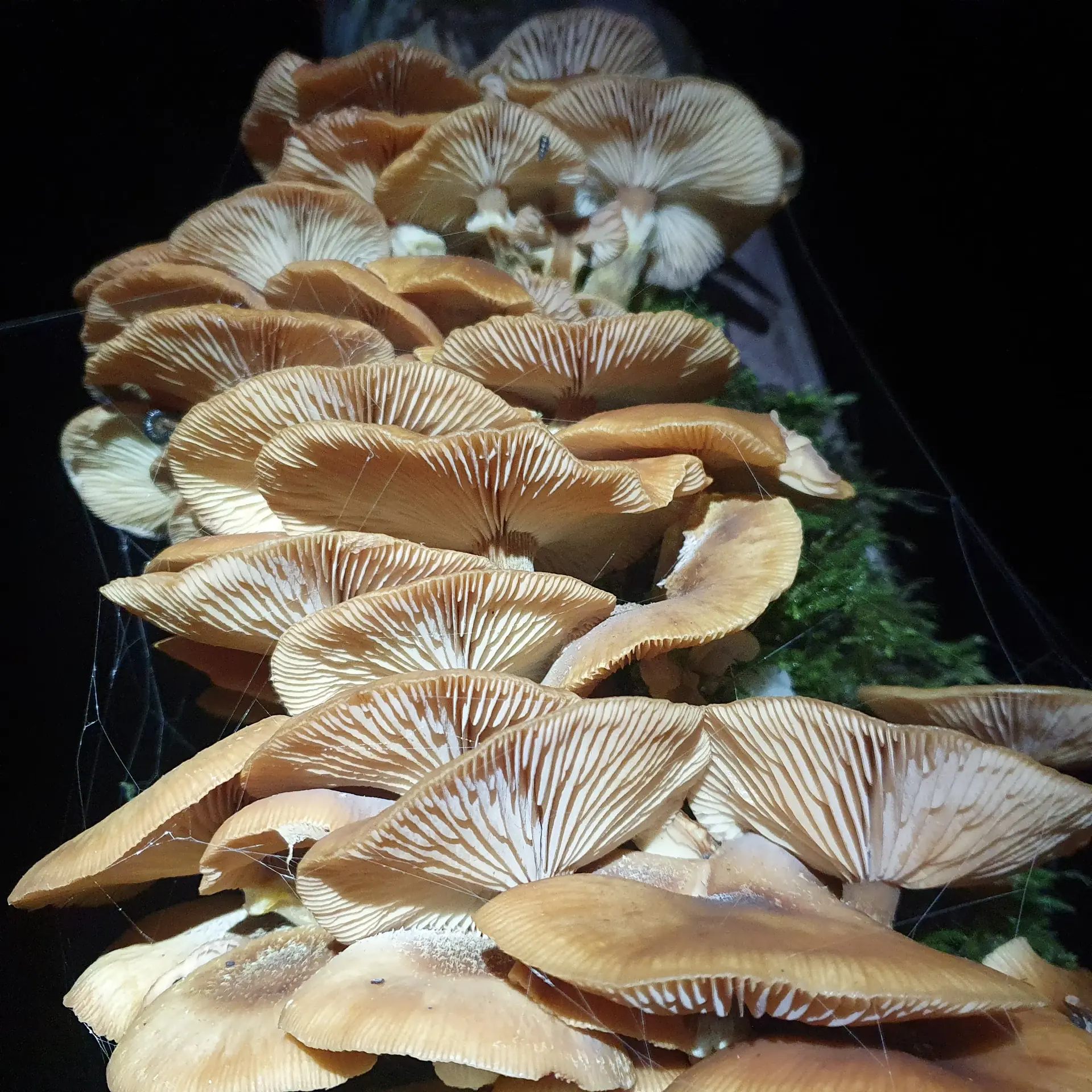
Honey Mushroom (Complex) (Armillaria mellea) - Densely clustered growth on decaying wood, Tawny brown to reddish-orange cap color, Strongly striate (ribbed) cap margin, Gills crowded, pale cream to whitish, Fibrous, brownish stem, often darker towards base
High Risk Lookalikes

Honey Mushroom (Complex)

Armillaria mellea

Densely clustered growth on decaying wood • Tawny brown to reddish-orange cap color • Strongly striate (ribbed) cap margin • Gills crowded • pale cream to whitish • Fibrous • brownish stem • often darker towards base
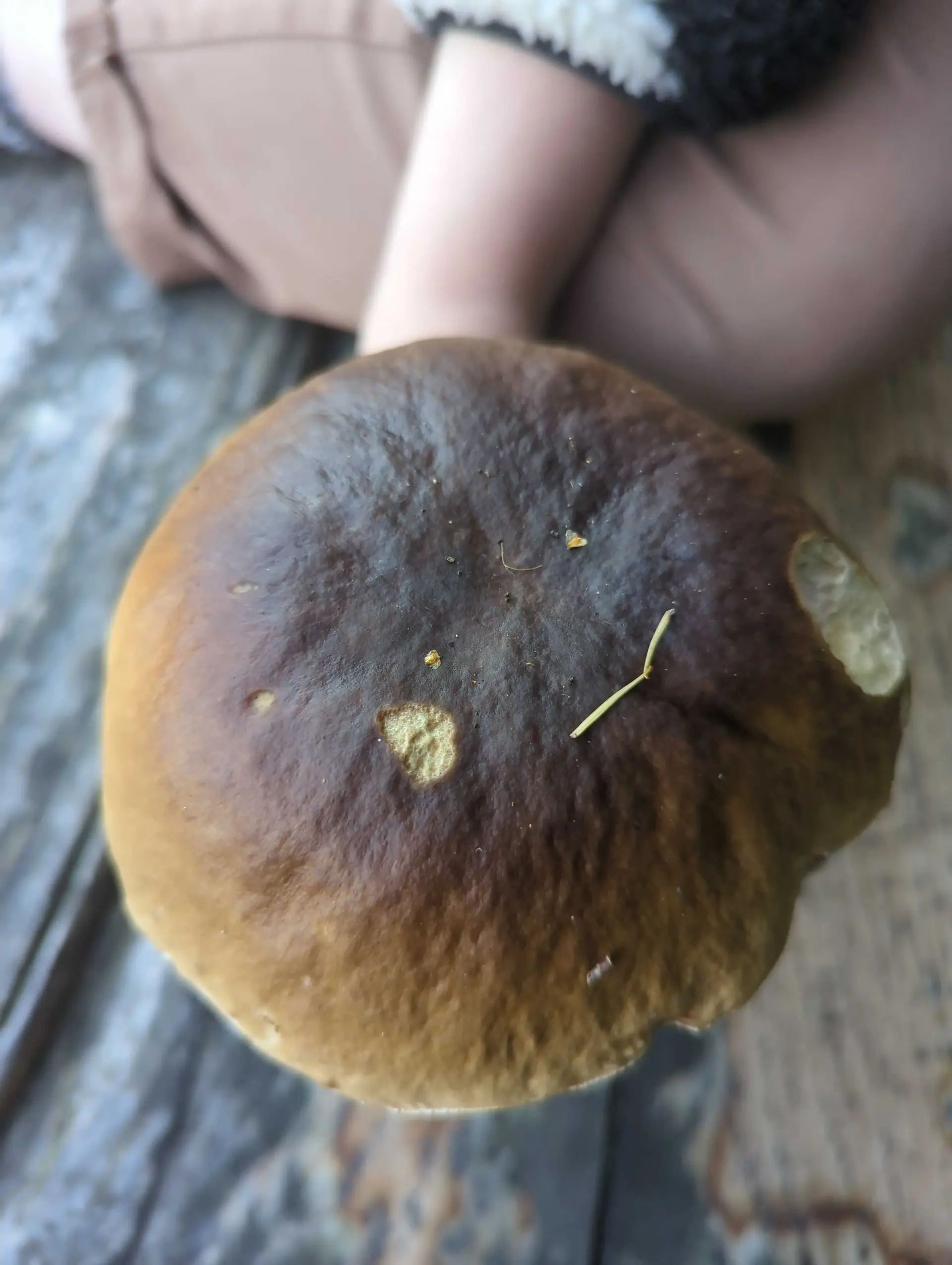
Penny Bun or Cep (Boletus edulis) - Large, convex, dark brown cap, Pore surface pale yellow/cream, fine pores, Thick, bulbous, pale stem, Stem shows fine white reticulation near apex, Robust, heavy structure
High Risk Lookalikes

Penny Bun or Cep

Boletus edulis

Large • convex • dark brown cap • Pore surface pale yellow/cream • fine pores • Thick • bulbous • pale stem • Stem shows fine white reticulation near apex • Robust • heavy structure
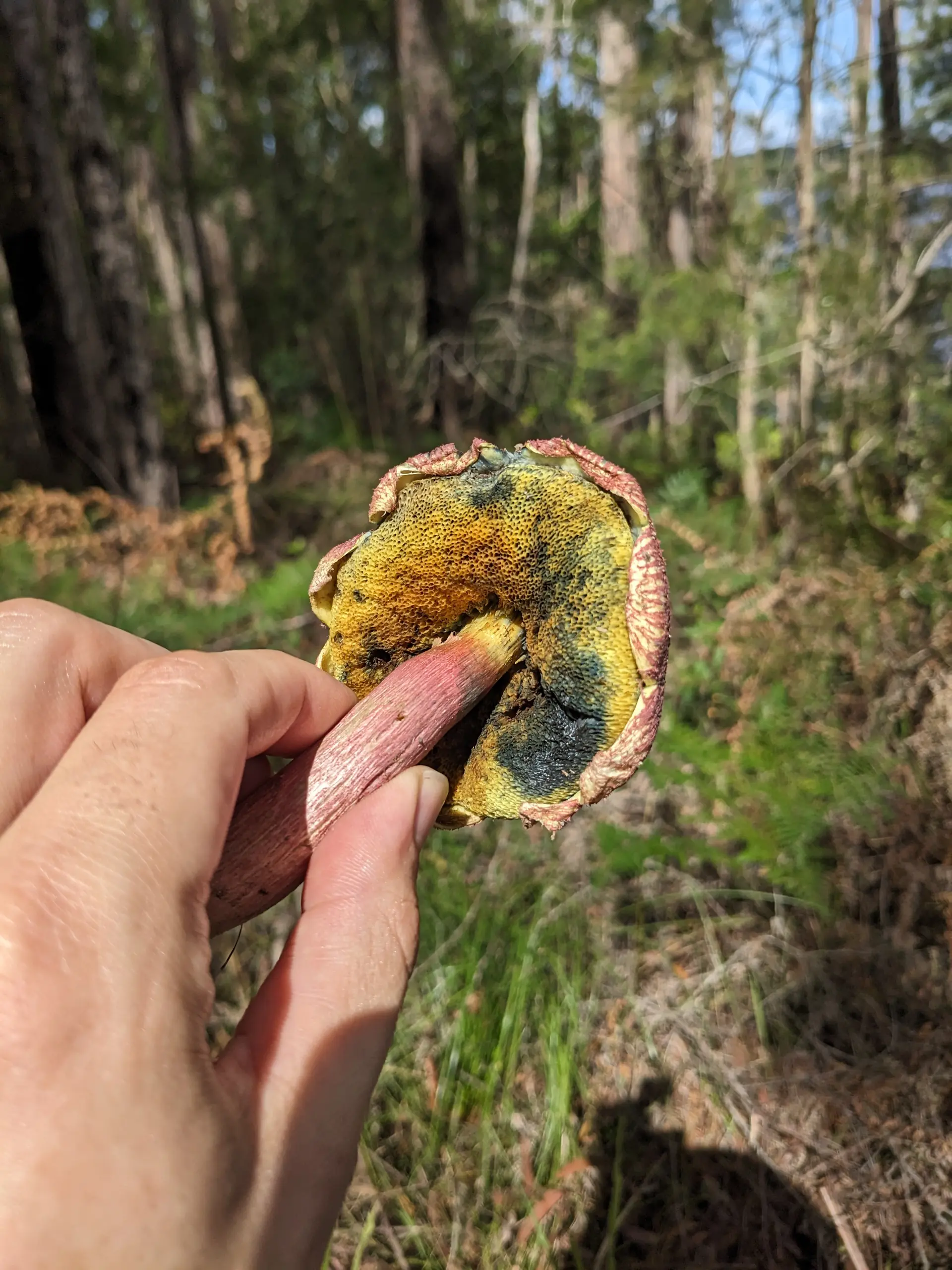
Sensitive Bolete (Boletus sensibilis) - Cap reddish-orange, smooth, Hymenium deep bright yellow (tubes), Flesh stains blue rapidly upon cutting, Robust, thick stem, reddish base, Mycorrhizal association (soil/grass)
Toxic

Sensitive Bolete

Boletus sensibilis

Cap reddish-orange • smooth • Hymenium deep bright yellow (tubes) • Flesh stains blue rapidly upon cutting • Robust • thick stem • reddish base • Mycorrhizal association (soil/grass)

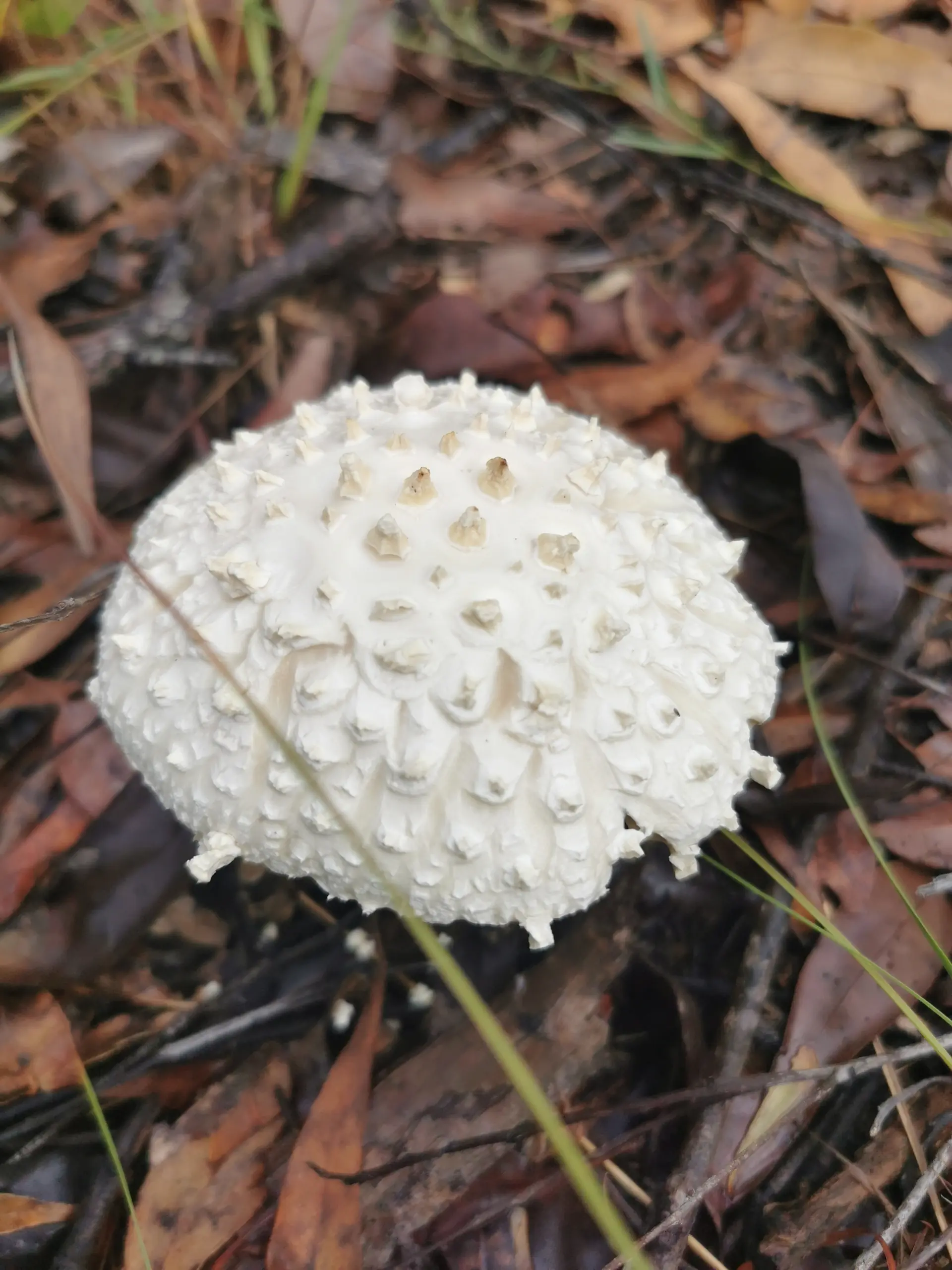
Brown Parasol (Chlorophyllum brunneum) - Cap large, covered in coarse, dark brown, shaggy scales., Stem base stains deep reddish-orange or reddish-brown when bruised or cut., Large, thick, movable ring present on the stem., Gills free, crowded, pale, darkening slightly with age.
Toxic

Brown Parasol

Chlorophyllum brunneum

Cap large • covered in coarse • dark brown • shaggy scales. • Stem base stains deep reddish-orange or reddish-brown when bruised or cut. • Large • thick • movable ring present on the stem. • Gills free • crowded • pale • darkening slightly with age.

Green-spored Lepiota (Chlorophyllum molybdites) - Large cap with concentric, dark brown, peeling scales, Free, crowded, white to cream gills (will turn green with age/spores), Prominent, movable, double ring on the stipe, Bulbous base, growing terrestrially in soil/grass, Cap center darker and smoother than margin
Toxic

Green-spored Lepiota

Chlorophyllum molybdites

Large cap with concentric • dark brown • peeling scales • Free • crowded • white to cream gills (will turn green with age/spores) • Prominent • movable • double ring on the stipe • Bulbous base • growing terrestrially in soil/grass • Cap center darker and smoother than margin

Shaggy Parasol Complex (Chlorophyllum rhacodes) - Large cap covered in dark, shaggy scales, Free, crowded, white gills, Tall stem with distinct brown snakeskin (reticulate) pattern, Large, movable, double-edged ring (annulus), Bulbous base obscured by soil and debris
High Risk Lookalikes

Shaggy Parasol Complex

Chlorophyllum rhacodes

Large cap covered in dark • shaggy scales • Free • crowded • white gills • Tall stem with distinct brown snakeskin (reticulate) pattern • Large • movable • double-edged ring (annulus) • Bulbous base obscured by soil and debris

Basket Stinkhorn (Clathrus ruber) - Bright orange to red lattice structure, Hollow, cage-like fruiting body, Emerges from a white 'egg' stage (volva), Foul, putrid odor (when gleba is present), Grows terrestrially among debris
Low Risk

Basket Stinkhorn

Clathrus ruber

Bright orange to red lattice structure • Hollow • cage-like fruiting body • Emerges from a white 'egg' stage (volva) • Foul • putrid odor (when gleba is present) • Grows terrestrially among debris