Brown Parasol
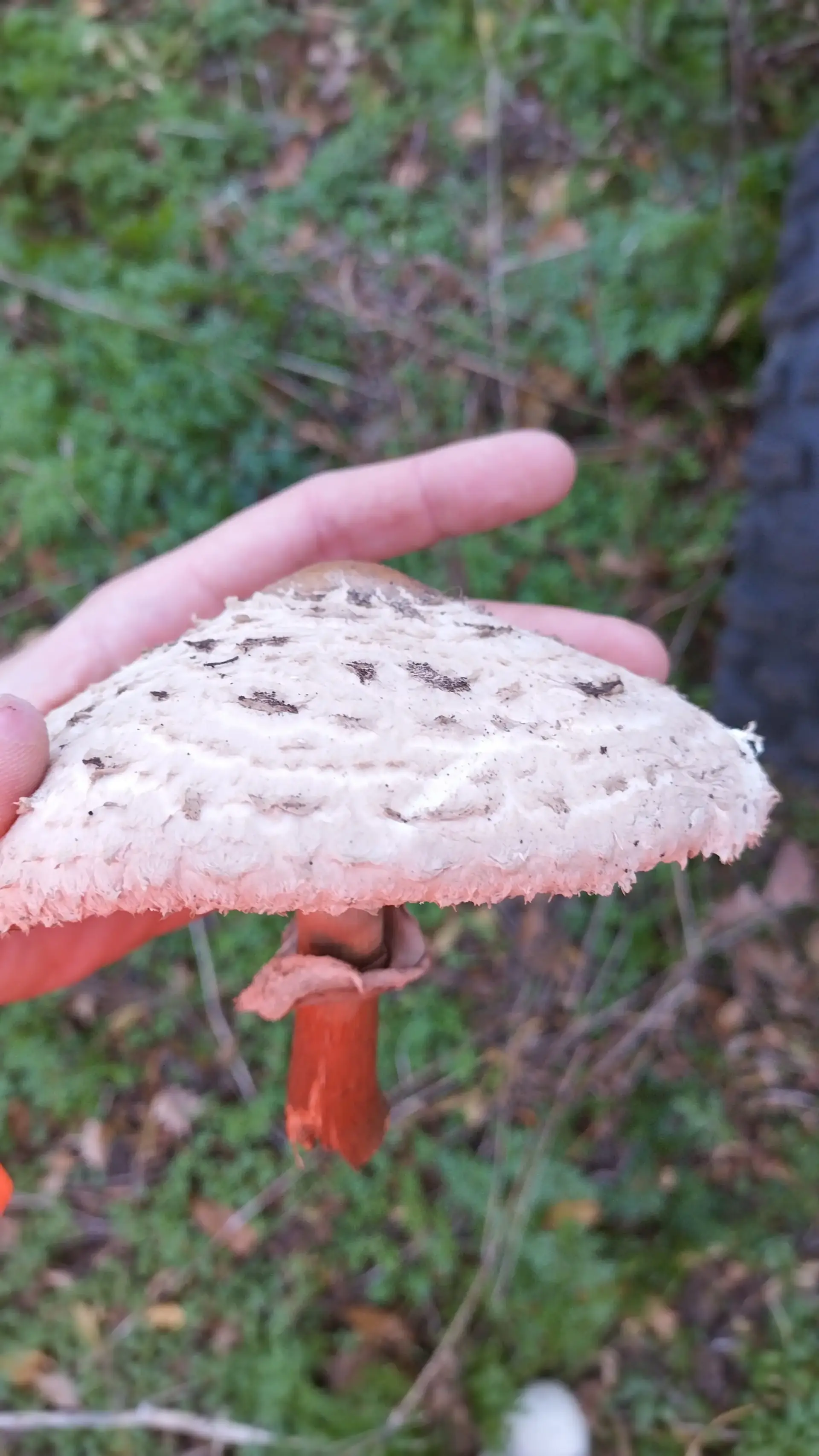
Chlorophyllum brunneum
Toxic Brown Parasol Identification. Severe Risk.
1 / 3
All Images (3)
Key Features
- Cap large
- covered in coarse
- dark brown
- shaggy scales.
- Stem base stains deep reddish-orange or reddish-brown when bruised or cut.
- Large
- thick
- movable ring present on the stem.
- Gills free
- crowded
- pale
- darkening slightly with age.
Color:
White cap background with brown scales; stem base reddish-orange; stem grayish-brown above.
Smell:
No distinctive smell
Growth Pattern:
Single
Environment:
Sol
Habitat & Distribution
Habitat:
Grassland, disturbed ground, or edges of deciduous forests.
Distribution:
Widespread across Europe, including Romania.
Seasonality:
Late Summer to Autumn
Economic Value
Market Demand:
None - toxic
Price Range:
N/A
Commercial Use:
None
Toxicity Information
Symptoms:
- Severe vomiting
- Diarrhea
- Abdominal cramps
- Dehydration
Onset Time:
1 to 4 hours post-ingestion
First Aid:
- Contact emergency services immediately (112).
- Do not induce vomiting unless instructed by medical personnel.
Emergency Contacts:
- 112 (EU Emergency)
- Poison Control (Romania): 021.210.61.83 (Consult local resources for current number)
Similar Species
Parasol Mushroom
Macrolepiota procera
Key Differences:
- Stem typically features a distinct snakeskin (zig-zag) pattern.
- Context does not stain reddish-orange upon cutting.
- Stem base is not bulbous or strongly rooted.
Shaggy Parasol
Chlorophyllum rhacodes
Key Differences:
- Staining is usually less intense and more fleeting (pinkish/brownish, not deep red/orange).
- Stem base is less bulbous and less distinctly colored.
Recommended Action
Immediate disposal of specimen. Do not handle without gloves. Seek emergency medical attention if ingestion is suspected.